
National park · North Gyeongsang
Gyeongju National Park
경주국립공원
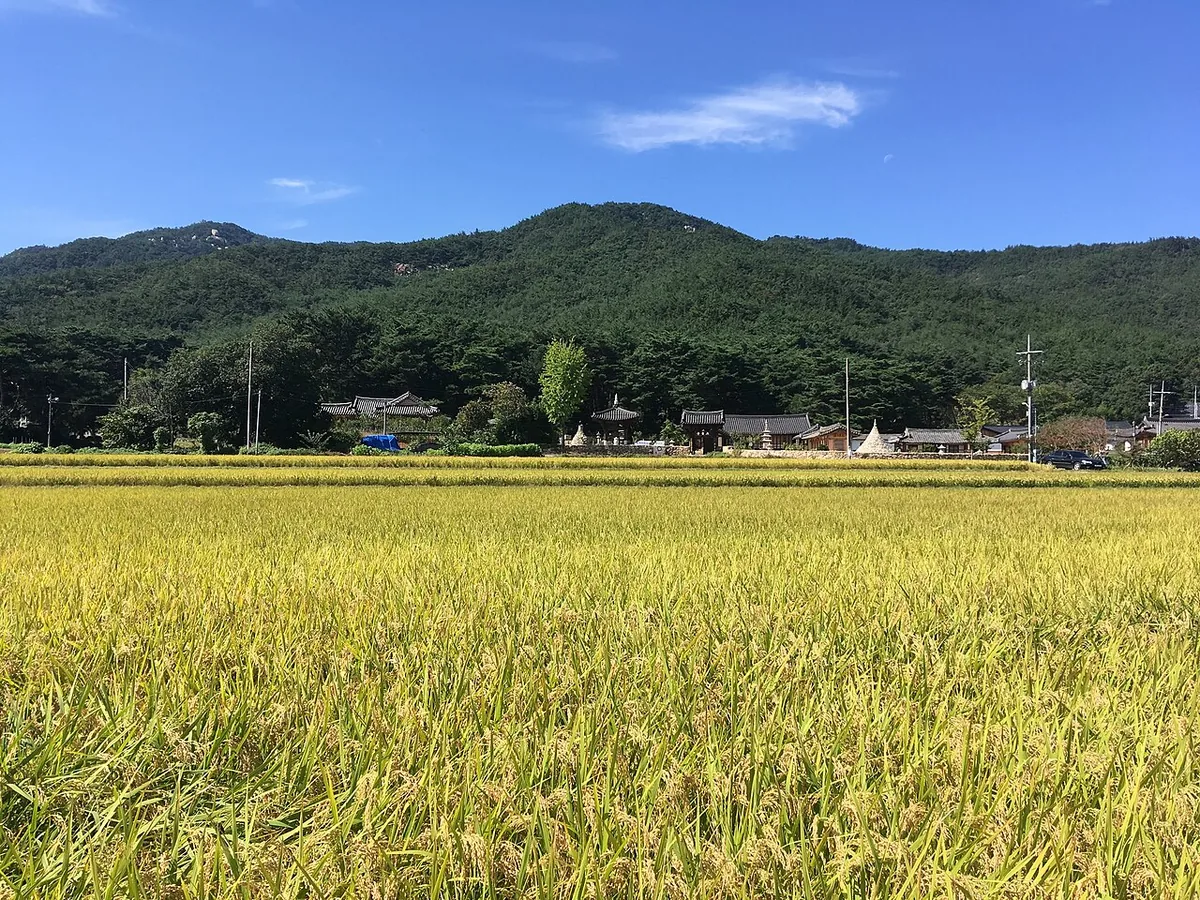
Walk among Samneung’s pines on Namsan or take the forest path from Bulguksa to the Seokguram parking area. These park sectors have separate bus approaches.
-
15 Nov – 15 Dec 2026
Autumn fire-season trail closures
The Korea National Park Service closes 148 trail sections in the national parks for the autumn wildfire season: 115 fully and 33 in part. Other trails stay open as usual. Check the closure list for your park before you set off.
Plan your visit
Namsan pines or the Bulguksa woodland path?
Samneung is the starting point for Namsan’s pine grove and the climb to Geumobong. Bulguksa gives access to the wooded approach to the Seokguram parking area. Choose the mountain section before planning your arrival.
-
Pine woodland and a mountain climb
Samneung to Geumobong
Start at Samneung visitor support centre 삼릉탐방지원센터
Begin among the pines at Samneung. The official mountain route continues through the valley, climbs stone steps to Badukbawi and follows the ridge towards Geumobong. Keep your visit around the lower pine grove for a woodland walk, or choose the full mountain course for the climb above it.
Official Samneung mountain route -
Spring blossoms and autumn woodland
Bulguksa–Seokguram woodland walk
Start at Bulguksa Iljumun gate 불국사 일주문
Follow the forest footpath from Bulguksa to the Seokguram parking area, then return along the same path to Bulguksa. Stone paving and steps make this an uphill woodland walk. Cherry blossoms in spring and foliage in autumn give this approach its seasonal character.
Official Bulguksa woodland route -
Discover nature with a park guide
Namsan’s flowers, trees and animals
Start at In front of Samneung visitor support centre 삼릉탐방지원센터 앞
Join the KNPS nature programme named ‘Flowers, Trees and Animals of Namsan’. Its meeting point is the Samneung centre. Open the programme details and select Reserve to see the sessions offered before arranging your journey to this side of the park.
Namsan nature programme and booking steps
The transport route below reaches Bulguksa
Buses 10 and 11 reach the Bulguksa approach for the woodland walk. For Namsan, take bus 500 to Samneung and continue to the pine grove and visitor support centre. The guided nature programme meets at the Samneung centre.
Place details
- Region
- North Gyeongsang
- Type of place
- National park
Getting there
Start at Gyeongju Intercity Bus Terminal
Entrance or stop 불국사 공영주차장
- Cross to the city bus stop opposite the terminal. Take bus 10 or 11 toward Bulguksa (불국사).
- Get off at the temple's public bus parking area. Continue on foot toward the Bulguksa entrance.
About Gyeongju National Park
Gyeongju is Korea’s only national park designated for its history. Its eight districts cover 137.418 km², and it became the country’s second national park, after Jirisan, on 31 December 1968. Gyeongju City managed it until 2008, when the Korea National Park Service took over.
Tohamsan, whose name means the mountain that swallows and breathes out mist and cloud, holds Bulguksa and Seokguram, both UNESCO World Heritage sites. Namsan, south of the Silla palace at Banwolseong, is called an open-air museum: Najeong, linked to the birth of the founder Bak Hyeokgeose, and the three royal tombs of Samneung lie among its valleys.
The park also takes in Gumisan, birthplace of Donghak, and Sogeumgangsan, the little Geumgangsan, tied to the martyr Ichadon. In all it holds 12 national treasures, 27 treasures and 14 historic sites.
Worth seeing
- Tohamsan 토함산Bulguksa and the Seokguram grotto, both UNESCO World Heritage sites.
- Namsan 남산Silla relics across one mountain, including Najeong and the Samneung royal tombs.
- Sogeumgangsan 소금강산A small mountain likened to Geumgangsan, with the Ichadon legend.
Written from the Korea National Park Service park introduction.