
Mountain · South Chungcheong / Daejeon
Gyeryongsan
계룡산
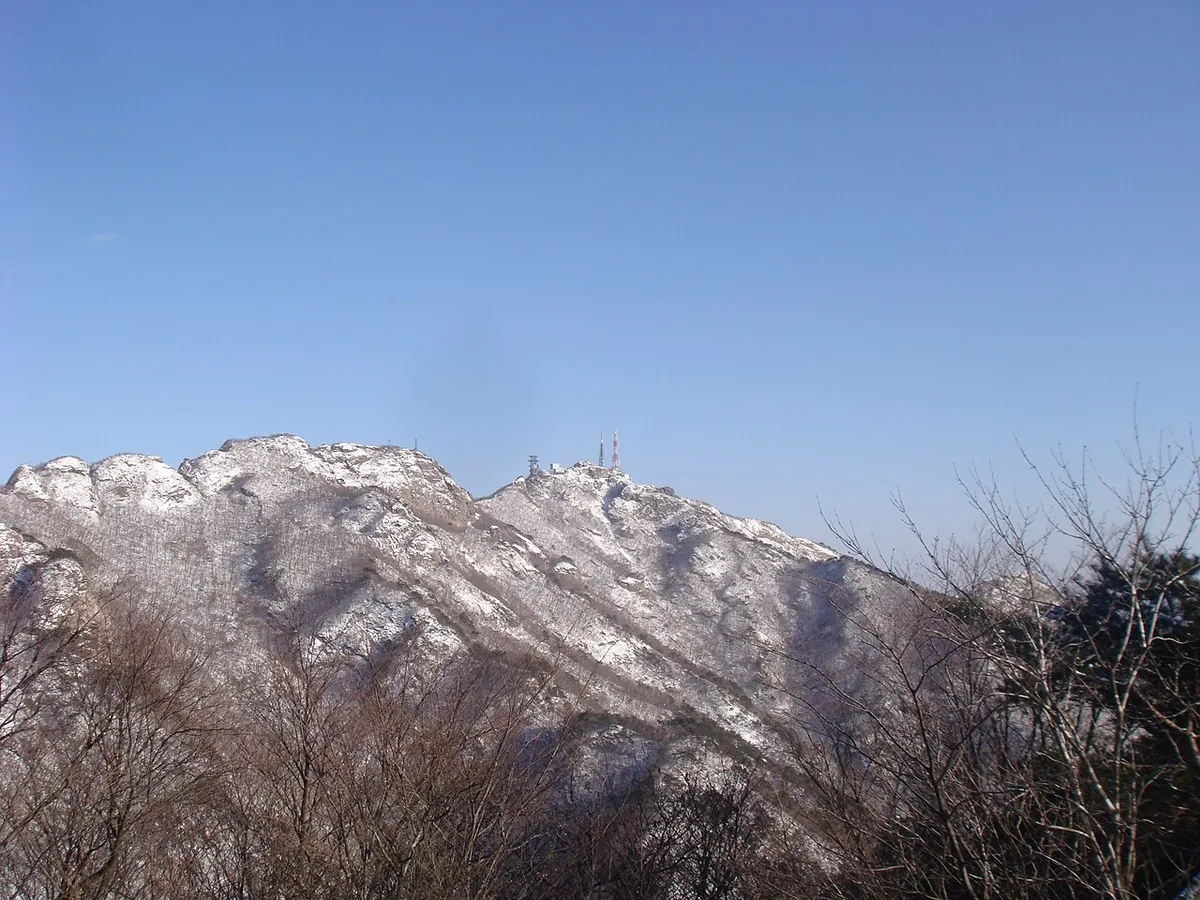
Gyeryongsan (846.5 m): Korea’s second national park, a sacred mountain of Silla and Joseon with Gapsa and Donghaksa temples.
-
15 Nov – 15 Dec 2026
Autumn fire-season trail closures
The Korea National Park Service closes 148 trail sections in the national parks for the autumn wildfire season: 115 fully and 33 in part. Other trails stay open as usual. Check the closure list for your park before you set off.
Place details
- Region
- South Chungcheong · Daejeon
- Type of place
- Mountain
- Locality in the source
- 공주시 · 논산시 · 계룡시 · 유성구
- Summit height
- 846.5 m summit altitude, Korea Forest Service guide p. 32
Locate the place
Search by the Korean name and locality, then check the public entrance with the managing authority.
About Gyeryongsan
Gyeryongsan spans Gongju, Nonsan, Gyeryong and Daejeon and became Korea’s second national park in 1968. Already one of Silla’s five sacred peaks, it was where Joseon offered rites to the mountain spirits alongside Myohyangsan and Jirisan.
The ridge from Cheonhwangbong to Ssalgaebong is famously fine, and the great temples Gapsa, Donghaksa and Sinwonsa hold pagodas, bells and woodblocks of national importance.
When the founder of Joseon surveyed the area for a capital, the monk Muhak saw a golden rooster on its eggs and a dragon rising to heaven; rooster (gye) and dragon (ryong) became the name.
Through the seasons
- Spring
- A cherry tunnel on the Donghaksa road
- Summer
- Deep forest in the Donghaksa valley
- Autumn
- The Gapsa valley in red
- Winter
- Snow on Sambulbong
Worth seeing
- Nammaetap pagodas 남매탑Twin pagodas at 615 m, eighth of the Gyeryong views.
- Eunseon Falls 은선폭포Known for the mist that rises from its fall.
Where the main trail starts
Byeongsagol entrance 병사골 입구
A main route in the Forest Service guide begins here. Search the Korean name to plan your bus or taxi to the entrance.
Written from the Korea Forest Service guide 꼭 한번 가 볼 우리 100대 명산, p. 32.